What Should You Consider When Choosing Nonmetallic Electrical Enclosures for Home and Commercial Use?
A practical guide to selecting, installing, and maintaining nonmetallic switch and outlet boxes for safe electrical systems
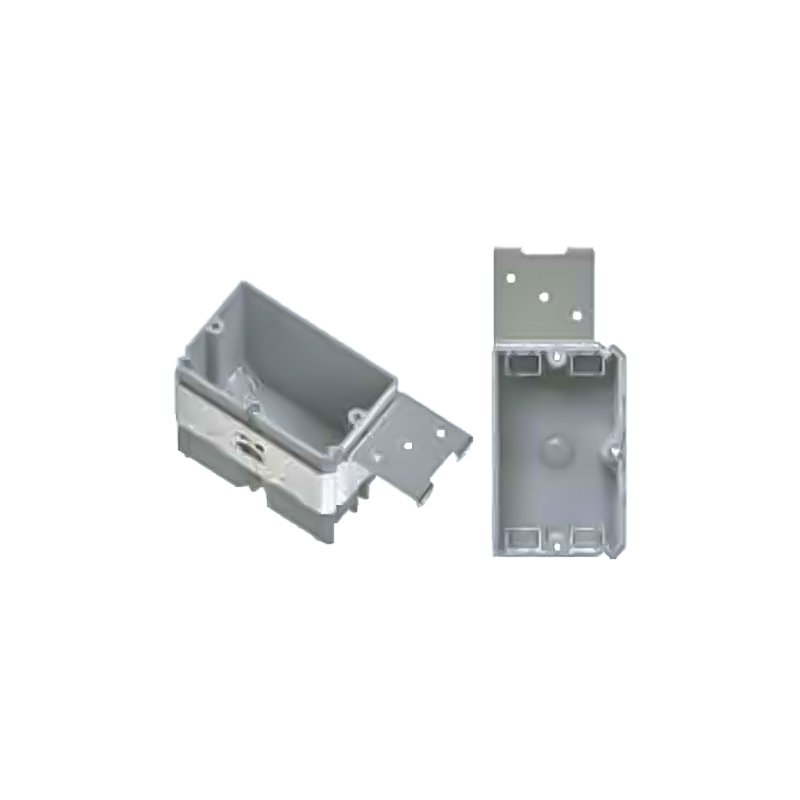
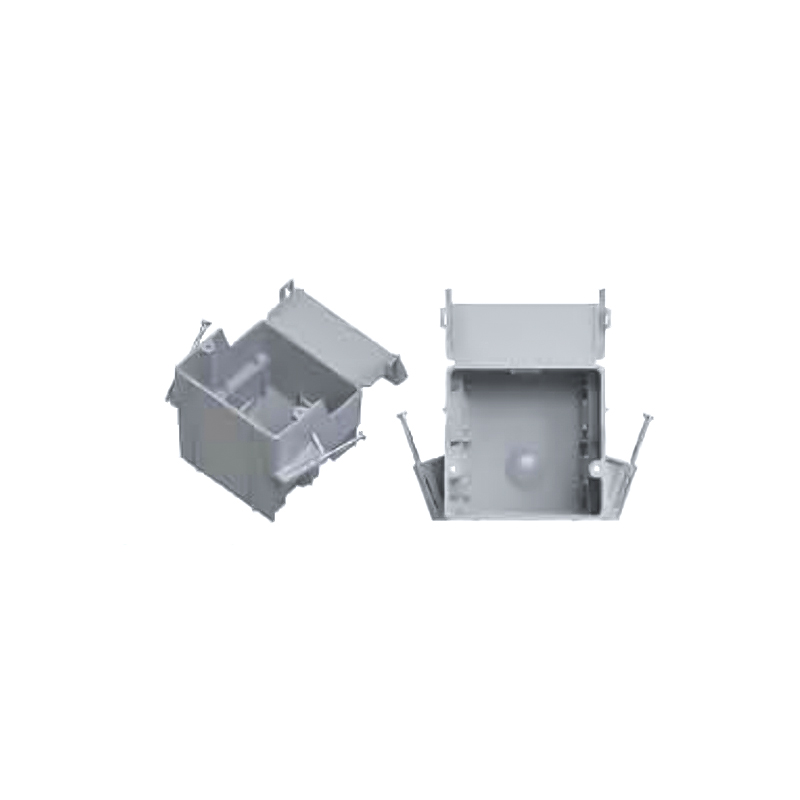
Electrical safety is a cornerstone of any well-designed home or commercial building, and the right Electrical Component choices play a critical role in maintaining that safety. Among the essential elements of electrical wiring systems are switch and outlet boxes—enclosures that house electrical connections, protect wiring from damage, and prevent electrical hazards like shocks or fires. SWITCH/OUTLET BOXES-NONMETALLIC have become a popular choice for both residential and light commercial applications due to their durability, corrosion resistance, and ease of installation. However, many homeowners, electricians, and contractors have questions about how to select the right nonmetallic boxes, how to install them correctly, and what maintenance practices ensure long-term safety. This guide addresses the most common questions about these essential electrical enclosures, breaking down technical details into clear, actionable information to help you make informed decisions for your electrical projects.
Key Factors for Selecting Nonmetallic Electrical Enclosures
What Materials Are Nonmetallic Boxes Made From, and How Do They Perform?
One of the most frequent questions about SWITCH/OUTLET BOXES-NONMETALLIC is about the materials used in their construction and how those materials impact performance and safety. Nonmetallic electrical boxes are typically made from rigid PVC (polyvinyl chloride), ABS (acrylonitrile butadiene styrene), or fiberglass-reinforced plastic (FRP)—each material offers distinct benefits and is suited to different applications. PVC is the most common material for residential nonmetallic boxes. It is lightweight, affordable, and resistant to moisture, corrosion, and chemicals—making it ideal for indoor use in dry or damp locations like kitchens, bathrooms, and basements. PVC boxes do not conduct electricity, which eliminates the risk of ground faults caused by contact with metal components, and they are easy to cut and modify on job sites. However, PVC has a lower heat resistance compared to other materials, so it is not recommended for use near high-temperature sources like recessed lighting or heating ducts without proper insulation. ABS plastic is another popular material for nonmetallic boxes, known for its impact resistance and flexibility. ABS boxes can withstand minor impacts without cracking, making them a good choice for high-traffic areas or installations where the box may be exposed to occasional bumps or knocks. Like PVC, ABS is non-conductive and moisture-resistant, but it has slightly better heat resistance than standard PVC, making it suitable for a wider range of indoor applications. Fiberglass-reinforced plastic (FRP) nonmetallic boxes are designed for more demanding environments. The addition of fiberglass increases the material’s strength, heat resistance, and durability, making FRP boxes suitable for outdoor use, commercial applications, or areas with extreme temperature fluctuations. FRP boxes are also resistant to UV radiation, which prevents fading and degradation when exposed to sunlight—an important feature for outdoor installations like exterior outlets or landscape lighting. When selecting a SWITCH/OUTLET BOXES-NONMETALLIC, it is important to match the material to the installation environment. Indoor dry locations can use standard PVC or ABS boxes, while damp, outdoor, or high-temperature areas require FRP or specially rated PVC boxes with added heat resistance. Always check the product labeling to ensure the box is rated for the intended use—look for designations like “indoor use only,” “damp location rated,” or “outdoor rated” to confirm compatibility.
How Do I Choose the Right Size and Configuration for My Project?
Another common question from consumers and contractors is about selecting the correct size and configuration of SWITCH/OUTLET BOXES-NONMETALLIC for their electrical needs. Nonmetallic boxes come in a range of sizes (measured by cubic inches) and configurations (single gang, double gang, triple gang, shallow, deep, etc.), and choosing the right size is critical to complying with electrical codes and ensuring safe installation. Electrical codes require that electrical boxes have enough internal space to accommodate all wiring, devices, and connections without overcrowding. Overcrowded boxes can cause damage to wires, loose connections, or difficulty installing devices—all of which create fire or shock hazards. To determine the required box size, you need to calculate the total volume of wires, devices, and clamps that will be inside the box. For example, a standard single-gang nonmetallic box (typically 18-20 cubic inches) can accommodate a single switch or outlet with up to four 14-gauge wires, while a double-gang box (30-35 cubic inches) can hold two devices or more wires. The configuration of the box depends on the number of devices being installed:
- Single-gang boxes: Used for one switch, one duplex outlet, or a single GFCI/AFCI outlet
- Double-gang boxes: Used for two switches, a switch and an outlet, or double duplex outlets
- Triple-gang boxes: Used for three switches (common in multi-light control setups)
- Shallow boxes: Designed for installations where wall depth is limited (e.g., thin drywall or masonry walls)
- Deep boxes: Used for installations with multiple wires, large devices, or extra wiring space (e.g., home theater setups)
Additionally, SWITCH/OUTLET BOXES-NONMETALLIC are available with different knockout configurations (pre-cut openings for wiring) to accommodate various cable types (Romex, BX, conduit) and entry points. Choose a box with knockouts positioned to match your wiring route to avoid cutting additional openings, which can weaken the box and compromise its structural integrity. Always refer to local electrical codes or consult a licensed electrician if you are unsure about the correct box size or configuration for your project.
| Box Type (Gang) |
Typical Volume (Cubic Inches) |
Common Applications |
Max 14-Gauge Wires (Approx.) |
| Single-Gang (Standard) |
18-20 |
Single switch, duplex outlet, GFCI outlet |
4-5 |
| Single-Gang (Deep) |
22-25 |
Outlets with extra wiring, smart switches |
6-7 |
| Double-Gang (Standard) |
30-35 |
Two switches, switch + outlet, double duplex |
8-10 |
| Triple-Gang (Standard) |
45-50 |
Three switches, multi-device control setups |
12-14 |
| Single-Gang (Shallow) |
10-15 |
Thin walls, masonry installations, limited depth |
2-3 |
What Safety Ratings and Certifications Should I Look For?
Consumers often ask about the safety ratings and certifications that make SWITCH/OUTLET BOXES-NONMETALLIC reliable for electrical installations. Like all Electrical Component products, nonmetallic boxes must meet specific safety standards to ensure they can withstand electrical loads, environmental conditions, and physical stress without failing. In North America, the primary certification for electrical boxes is UL (Underwriters Laboratories) listing—look for the UL mark on the box or packaging, which indicates the product has been tested to meet UL 514C standards for electrical enclosures. UL certification verifies that the box is fire-resistant, structurally sound, and compatible with standard electrical devices and wiring methods. Additionally, boxes rated for damp or wet locations will have a UL damp/wet location designation, confirming they are sealed to prevent moisture intrusion and comply with NEC (National Electrical Code) requirements for those environments. Another important rating to consider is the fire rating. Nonmetallic boxes used in fire-rated walls (e.g., between apartments or in commercial buildings) must have a fire-resistance rating that matches the wall assembly. These boxes are typically labeled with a fire rating (e.g., 1-hour, 2-hour) and may include fire-stopping components to prevent the spread of fire through the box opening. For outdoor installations, look for SWITCH/OUTLET BOXES-NONMETALLIC with an IP (Ingress Protection) rating, which indicates resistance to dust and water. An IP44 rating (common for outdoor boxes) means the box is protected against solid objects larger than 1mm and splashing water from any direction, while a higher rating like IP65 offers dust-tight protection and resistance to water jets—ideal for exposed outdoor locations. It is important to note that uncertified nonmetallic boxes may be cheaper, but they do not undergo safety testing and may fail under normal use. These boxes can crack under minor stress, allow moisture to enter, or melt when exposed to heat—all of which create serious electrical hazards. Always choose UL-listed or CSA (Canadian Standards Association) certified boxes to ensure compliance with electrical codes and protect against fire, shock, or equipment damage.
Proper Installation Practices for Nonmetallic Electrical Boxes
How Do I Secure Nonmetallic Boxes Correctly in Different Wall Types?
A common question from DIY enthusiasts and novice electricians is about the correct way to secure SWITCH/OUTLET BOXES-NONMETALLIC in different wall materials (drywall, wood, masonry). Proper securing is essential to prevent the box from moving, tilting, or falling out of the wall—loose boxes can cause wires to pull, connections to loosen, or devices to sit unevenly, creating safety hazards. For drywall (gypsum board) installations: Nonmetallic boxes designed for drywall use come with built-in mounting ears or wings (often called “old work” boxes). To install, cut a hole in the drywall to match the box size, insert the box into the hole, and tighten the mounting screws to expand the wings against the back of the drywall. Ensure the wings are fully expanded and the box is flush with the wall surface (not recessed or protruding) to allow proper device installation and cover plate fit. For wood stud walls (new construction): “New work” nonmetallic boxes have mounting brackets or flanges that attach directly to wood studs. Use wood screws (not drywall screws, which are too brittle) to secure the box to the stud, positioning it so the front edge of the box is flush with the stud face (to align with the finished wall surface). For boxes between studs, use a mounting bracket or crossbar to secure the box to adjacent studs and prevent movement. For masonry walls (concrete, brick): Nonmetallic boxes for masonry installations require plastic or metal anchors (expansion anchors or masonry screws) to secure the box to the wall. Drill holes in the masonry to match the anchor size, insert the anchors, and use screws to fasten the box to the wall. Ensure the box is level and flush with the wall surface, and use a masonry bit designed for the wall material to avoid cracking the masonry. For all installations: The front face of the SWITCH/OUTLET BOXES-NONMETALLIC must be flush with the finished wall surface (or up to 1/4 inch recessed for drywall) to comply with electrical codes. Overly recessed boxes can trap dust and debris, while protruding boxes make it impossible to install cover plates properly and create a tripping hazard for wall-mounted devices. Always check the box alignment before finishing the installation to ensure compliance and safety.
Can Nonmetallic Boxes Be Used with Metal Conduit or Armored Cable?
Many consumers wonder if SWITCH/OUTLET BOXES-NONMETALLIC are compatible with metal conduit (EMT, rigid metal conduit) or armored cable (BX cable)—common wiring methods in residential and commercial electrical systems. The short answer is yes, but special adapters and fittings are required to ensure a safe, code-compliant connection. Metal conduit and armored cable are used to protect wiring and provide a ground path, but nonmetallic boxes do not conduct electricity—so the ground path must be maintained through the use of grounding bushings or connectors. For metal conduit connections: Use a plastic or metal conduit adapter (knockout bushing) that fits the box’s knockout opening and the conduit size. The adapter should have a grounding screw or clip to connect the conduit’s ground to the box’s grounding terminal (if equipped) or directly to the device’s ground wire. This ensures the ground path is continuous and complies with NEC requirements for grounding metal raceways. For armored cable (BX) connections: Use a BX connector (also called a cable clamp) designed for nonmetallic boxes. These connectors secure the armored cable to the box, prevent the cable from pulling out, and provide a grounding connection between the cable’s armor and the box’s ground terminal. Never use standard cable clamps for BX cable—they do not provide proper grounding and can damage the cable’s armor, creating a ground fault risk. It is important to note that not all SWITCH/OUTLET BOXES-NONMETALLIC are designed for metal conduit or armored cable use—look for boxes with reinforced knockouts (labeled for conduit use) and integrated grounding terminals. Boxes without reinforced knockouts can crack when conduit connectors are tightened, while boxes without grounding terminals make it difficult to maintain a continuous ground path. Always follow the manufacturer’s instructions for conduit/cable connections and consult a licensed electrician if you are unsure about compatibility or installation requirements.
What Are the Common Installation Mistakes to Avoid with Nonmetallic Boxes?
Understanding common installation mistakes is key to ensuring safe, code-compliant use of SWITCH/OUTLET BOXES-NONMETALLIC. Even small errors can compromise the integrity of the electrical system and create hazards, so avoiding these mistakes is essential for both DIY and professional installations. 1. Over-tightening mounting screws: Nonmetallic boxes are made of plastic, which can crack or break if mounting screws (for wings, brackets, or devices) are over-tightened. Cracked boxes lose structural integrity and can allow moisture or debris to enter, while broken mounting wings can cause the box to fall out of the wall. Tighten screws just enough to secure the box firmly—stop when you feel resistance, and do not use power tools (which can over-tighten quickly). 2. Using the wrong knockout size or cutting additional openings: Nonmetallic boxes have pre-cut knockouts designed for specific cable/conduit sizes. Cutting additional openings (with a knife or drill) weakens the box and can create sharp edges that damage wiring insulation. If the existing knockouts do not match your cable size, use a reducer bushing or choose a different box with the correct knockout configuration—never cut new openings in a nonmetallic box. 3. Failing to seal openings for outdoor installations: Outdoor SWITCH/OUTLET BOXES-NONMETALLIC require gaskets or sealants to prevent water intrusion. Leaving unused knockouts open or failing to seal cable entry points allows rain, snow, or condensation to enter the box, causing corrosion of connections, short circuits, or device failure. Use rubber gaskets for cover plates and silicone sealant around cable/conduit entry points to create a watertight seal. 4. Installing nonmetallic boxes in high-temperature areas: Standard PVC nonmetallic boxes have a maximum temperature rating (typically 140°F/60°C) and can melt or deform if installed near heat sources like recessed lighting, heating ducts, or furnace rooms. For high-temperature locations, use FRP boxes (rated for up to 200°F/93°C) or metal boxes, and maintain a minimum clearance (usually 6 inches) between the box and heat-emitting devices. 5. Overfilling the box with wiring: As mentioned earlier, overcrowded boxes create fire and shock hazards. Even if the box physically fits extra wires, exceeding the rated cubic inch capacity violates electrical codes and can cause wires to overheat or connections to loosen. Use a larger box or add a second box if you need to accommodate more wiring—never force extra wires into a box that is too small. Correcting these mistakes after installation can be time-consuming and costly, so it is best to avoid them by following manufacturer instructions, consulting electrical codes, and using the right tools and materials for the job.
Maintenance and Longevity of Nonmetallic Electrical Boxes
How Long Do Nonmetallic Boxes Last, and What Affects Their Lifespan?
A common question from homeowners is about the expected lifespan of SWITCH/OUTLET BOXES-NONMETALLIC and the factors that impact their durability. When installed correctly and used in appropriate environments, nonmetallic boxes can last for the lifetime of a building—decades or even longer. However, several factors can shorten their lifespan and require replacement. Environmental factors are the primary cause of premature wear: - UV exposure: Outdoor PVC boxes without UV protection can fade, become brittle, and crack over time (5-10 years) when exposed to direct sunlight. FRP boxes or UV-stabilized PVC boxes are resistant to this damage and can last 20+ years outdoors. - Moisture: Even damp-location rated boxes can degrade if water seeps into the box (due to poor sealing or damaged gaskets). Moisture causes plastic to soften, promotes mold growth, and corrodes electrical connections—reducing the box’s lifespan by 50% or more. - Temperature fluctuations: Extreme hot/cold cycles (common in unheated garages or attics) can cause nonmetallic boxes to expand and contract, leading to cracks at stress points (knockouts, mounting holes) over time. Physical damage is another common issue: Impacts from furniture, tools, or accidental bumps can crack or break nonmetallic boxes—especially PVC boxes, which are more brittle than ABS or FRP. Boxes in high-traffic areas (hallways, garages) are more prone to physical damage and may need replacement every 10-15 years, while boxes in low-traffic areas (bedrooms, closets) rarely need replacement unless damaged. Chemical exposure can also damage nonmetallic boxes: Exposure to solvents, cleaning chemicals, or corrosive substances (common in garages, workshops, or industrial settings) can soften or dissolve plastic, weakening the box and compromising safety. In these environments, use chemical-resistant FRP boxes or metal boxes to ensure long-term durability. It is important to note that even if a nonmetallic box looks intact, internal damage (e.g., cracked mounting tabs, loose knockouts) can compromise safety. Inspect boxes whenever you replace switches/outlets or perform electrical maintenance—replace any box that is cracked, broken, or showing signs of degradation, even if it is still functional.
How Should I Inspect and Maintain Nonmetallic Boxes Over Time?
Regular inspection and maintenance of SWITCH/OUTLET BOXES-NONMETALLIC are key to ensuring their safety and longevity. Unlike metal boxes (which can rust but rarely crack), nonmetallic boxes require visual inspections to check for signs of damage or degradation—here’s how to perform a thorough inspection: Frequency of inspection: - Indoor dry locations: Inspect every 5 years (or when replacing switches/outlets) - Indoor damp locations (kitchens, bathrooms): Inspect every 3 years - Outdoor locations: Inspect every 1-2 years (or after severe weather like hurricanes, heavy rain) - Commercial/high-traffic areas: Inspect every 2 years What to check during inspection:
- Cracks or breaks in the box body (pay special attention to knockouts, mounting points, and corners)
- Brittleness or discoloration (signs of UV damage or aging)
- Loose mounting hardware (wings, brackets, screws) that causes the box to move in the wall
- Moisture, mold, or corrosion inside the box (signs of poor sealing)
- Damaged or missing gaskets (for outdoor/damp location boxes)
- Sharp edges around knockouts (can damage wiring insulation)
- Boxes that are no longer flush with the wall surface (causes cover plate fit issues)
Maintenance steps: - For minor cracks (less than 1 inch) in non-critical areas: Use electrical-grade plastic repair compound to seal the crack (only as a temporary fix—replace the box within 6 months) - For loose mounting hardware: Replace worn wings/brackets or tighten screws (replace stripped screws with new ones of the same size) - For damaged gaskets: Replace with manufacturer-recommended gaskets to maintain water resistance - For outdoor boxes: Clean debris from around the box and reapply sealant around cable/conduit entry points every 2 years - For boxes with moisture inside: Dry the box thoroughly, identify and fix the source of moisture (e.g., leaky roof, poor sealing), and replace any corroded wiring or devices If you find significant damage (large cracks, broken mounting points, or water intrusion), replace the box immediately—repairs to nonmetallic boxes are temporary and do not restore the box’s structural integrity or safety rating. Always turn off power to the circuit before inspecting or maintaining SWITCH/OUTLET BOXES-NONMETALLIC to avoid electric shock.
| Installation Location |
Inspection Frequency |
Key Maintenance Tasks |
Replacement Trigger |
| Indoor Dry (Bedrooms, Living Rooms) |
Every 5 years |
- Check for physical damage
- Verify box alignment
- Tighten loose mounting screws |
Cracks, broken mounting points, or overcrowding |
| Indoor Damp (Kitchens, Bathrooms) |
Every 3 years |
- Inspect for moisture/corrosion
- Replace worn gaskets
- Check seal around cable entry |
Moisture intrusion, mold, or cracked seals |
| Outdoor (Exterior Walls, Patios) |
Every 1-2 years |
- Clean debris from box
- Reapply sealant to entry points
- Check for UV damage/brittleness |
Brittleness, cracks, or water inside the box |
| Commercial/High-Traffic |
Every 2 years |
- Inspect for physical damage
- Verify box security
- Check wiring capacity |
Any damage, loose mounting, or overcrowding |
| High-Temperature (Near Heat Sources) |
Every 2 years |
- Check for melting/deformation
- Verify clearance to heat sources
- Inspect wiring insulation |
Deformation, melting, or cracked plastic |
Common Misconceptions About Nonmetallic Electrical Boxes
Misconception 1: Nonmetallic Boxes Are Less Durable Than Metal Boxes
A widespread misconception is that SWITCH/OUTLET BOXES-NONMETALLIC are less durable than metal boxes and are only suitable for temporary or low-use installations. This is not true—modern nonmetallic boxes (especially FRP or UV-stabilized PVC) are designed to withstand the same physical stress and environmental conditions as metal boxes in most residential and light commercial applications. While it is true that standard PVC boxes are more brittle than metal boxes and can crack under heavy impact, ABS and FRP nonmetallic boxes offer impact resistance comparable to metal. Additionally, nonmetallic boxes have advantages over metal boxes in certain environments: they do not rust or corrode (a common issue with metal boxes in damp or coastal areas), they are non-conductive (eliminating ground fault risks), and they are lighter and easier to install—saving time on job sites. The key to durability with nonmetallic boxes is matching the material to the environment: use standard PVC for indoor dry locations, ABS for high-traffic indoor areas, and FRP for outdoor or high-temperature locations. When installed correctly and used in appropriate environments, nonmetallic boxes can last as long as metal boxes—often longer, since they do not suffer from corrosion or rust.
Misconception 2: Nonmetallic Boxes Do Not Require Grounding
Another common misconception is that SWITCH/OUTLET BOXES-NONMETALLIC do not need to be grounded because they are non-conductive. While it is true that the box itself does not conduct electricity, the devices (switches, outlets) and wiring inside the box still require a proper ground path to prevent electric shock if a fault occurs. Electrical codes require that all metal devices (switches, outlets, light fixtures) be grounded, regardless of the box material. Nonmetallic boxes are equipped with grounding screws or terminals to connect the equipment ground wire (green or bare copper) from the wiring to the device’s ground terminal. This ground path provides a safe route for electrical current in the event of a fault, directing it to the ground instead of through a person’s body. Even if the box is nonmetallic, failing to connect the ground wire violates electrical codes and creates a serious shock hazard. Always connect the equipment ground wire to the device’s ground terminal (and to the box’s ground terminal if equipped) when installing switches or outlets in SWITCH/OUTLET BOXES-NONMETALLIC—this step is critical to ensuring the safety of the electrical system.
Misconception 3: All Nonmetallic Boxes Are Interchangeable
Many consumers assume that all SWITCH/OUTLET BOXES-NONMETALLIC are the same and can be used interchangeably for any application. This is a dangerous misconception, as nonmetallic boxes are designed for specific environments and applications—using the wrong box can lead to failure, code violations, or safety hazards. For example: - Indoor-only PVC boxes used outdoors will degrade quickly in sunlight and allow water intrusion - Shallow single-gang boxes used for multiple wires will be overcrowded and create fire risks - Standard PVC boxes used near heat sources will melt or deform, exposing wiring - Uncertified boxes may not meet fire safety standards and can contribute to fire spread Nonmetallic boxes are labeled with their intended use (indoor, damp, outdoor, high-temperature) and capacity (cubic inches)—always check these labels before installation to ensure the box is suitable for the application. Additionally, boxes designed for specific wiring methods (conduit, armored cable) have reinforced knockouts and grounding terminals that generic boxes lack. Choosing the right box for the job ensures compliance with electrical codes and prevents safety hazards down the line.
Conclusion: Making Informed Choices for Safe Electrical Installations
SWITCH/OUTLET BOXES-NONMETALLIC are a versatile, safe, and cost-effective Electrical Component for residential and light commercial electrical systems, but their safe use requires understanding key selection, installation, and maintenance principles. By addressing the common questions and misconceptions outlined in this guide, you can choose the right nonmetallic boxes for your project, install them correctly, and maintain them to ensure long-term safety and performance. Remember to match the box material to the installation environment (PVC for dry indoor use, FRP for outdoor/high-temperature use), select the correct size and configuration to avoid overcrowding, and always use UL-listed or CSA-certified boxes to comply with safety standards. Proper installation—including secure mounting, correct grounding, and sealing for outdoor use—is essential to prevent hazards like loose connections, moisture intrusion, or physical damage. Regular inspections and timely replacement of damaged boxes will keep your electrical system safe and functional for years to come. Whether you are a homeowner tackling a DIY electrical project or a contractor installing wiring in a new building, taking the time to understand nonmetallic electrical boxes will help you avoid costly mistakes and ensure compliance with electrical codes. When in doubt, consult a licensed electrician—professional guidance can help you navigate complex installation scenarios and ensure your electrical system meets the highest safety standards. In summary, nonmetallic switch and outlet boxes are an essential part of modern electrical systems, offering durability, safety, and ease of use when selected and installed correctly. By following the guidelines in this guide, you can make informed decisions and create a safe, reliable electrical system for your home or business.
Disclaimer: This article is for informational purposes only and does not constitute professional electrical advice. Always consult a licensed electrician for electrical installations, repairs, or modifications to ensure compliance with local electrical codes and safety standards. The information provided is based on general electrical practices and may vary by region—always follow manufacturer instructions and local regulations.


 English
 中文简体
中文简体

 NO.565,South of Xihuan Rd,Yuyao City Zhejiang China.
 0086-574-62599999/62593088
 0086-574-62598888
 ryan.yu@nbwell.com