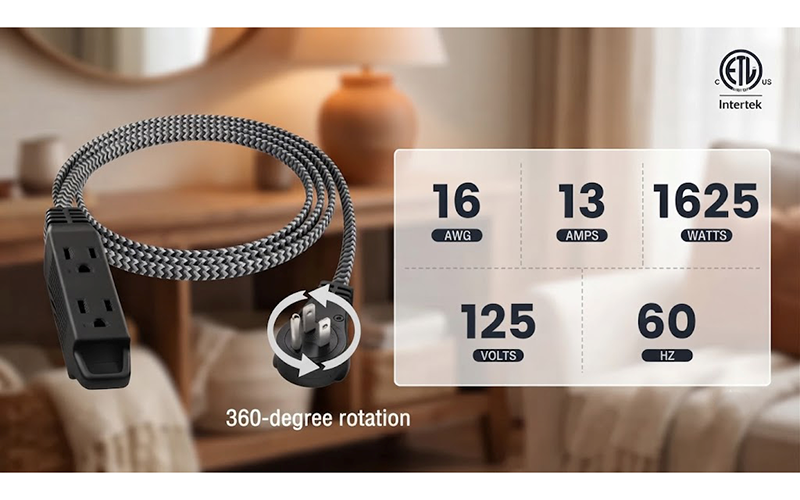
Transfer switches safely manage connections between multiple power sources and a single load. They are widely used in homes, businesses, and industrial sites where backup or alternative power is needed. From standby generators in residences to complex systems with multiple generators and grid inputs, proper isolation and controlled switching are essential to ensure safety and reliable operation.In general, transfer switches serve three primary purposes: switching between utility power and a generator, alternating between multiple generators, and selecting between different utility service inputs.
Utility-to-Generator Switching
This is the common application. A transfer switch prevents electricity from flowing back into the grid when a generator is in use, protecting utility personnel working on power lines. For this reason, electrical codes typically require a transfer switch when connecting a residential generator to a home’s panel. Beyond residential use, commercial operations, industrial facilities, and public services also depend on generators, all of which require proper switching systems. In critical environments such as data centers, backup power must activate immediately to avoid downtime.
Utility-to-Utility Switching
Facilities with more than one utility feed use this type of transfer switch to alternate between power sources. This setup is useful in buildings with multiple meters but a shared electrical system. It allows operators to select the appropriate supply based on occupancy or usage, ensuring accurate energy distribution and billing.
Generator-to-Generator Switching
Locations equipped with multiple on-site power sources require this configuration. For example, systems that include both solar panels and a generator must keep these sources electrically separated. Without proper isolation, power could feed back into another system, causing equipment damage or safety hazards. A transfer switch enables controlled switching between sources. Large industrial sites also use this approach to manage varying power demands by activating or deactivating generators as needed.
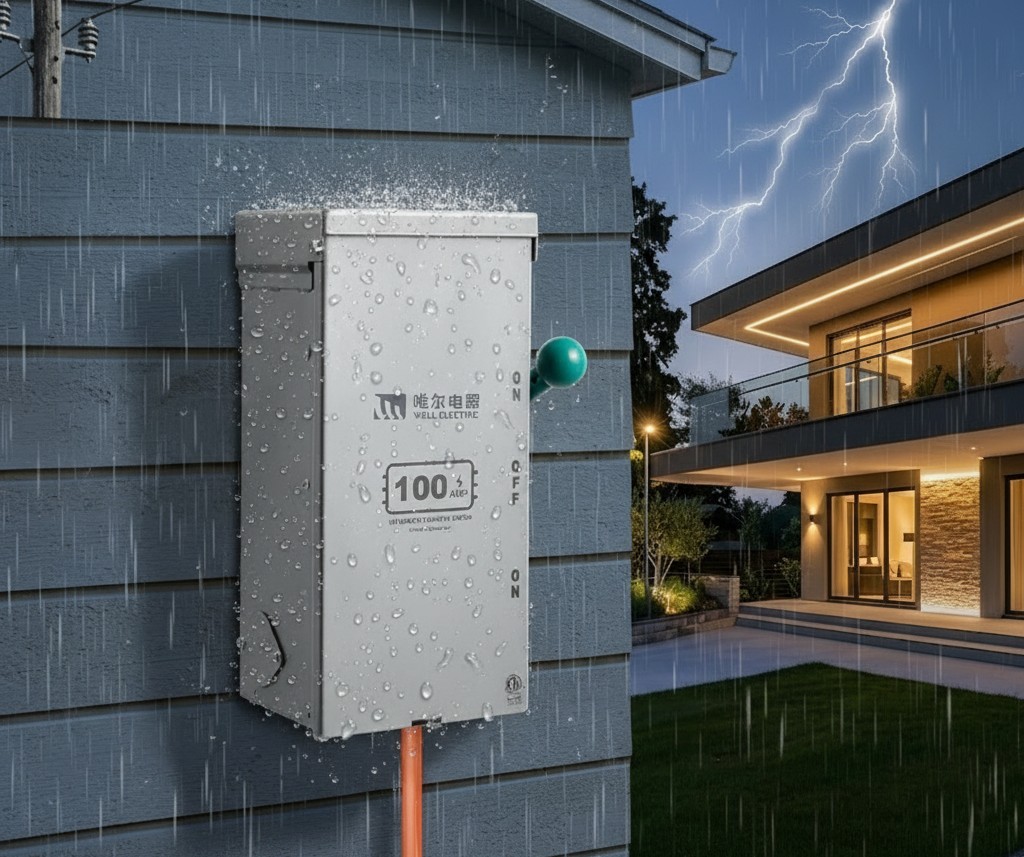
Because transfer switches operate in varied environments, they come in multiple sizes and specifications. Selecting the right model requires assessing voltage, current rating, phase type, and the need for continuous power, along with environmental factors such as moisture, dust, and temperature. With over 30 years of experience in the electrical industry, Well Electric designs generator transfer switches built for reliability in harsh conditions or power outages, helping ensure stable and safe power supply for homes.


 English
 中文简体
中文简体

 NO.565,South of Xihuan Rd,Yuyao City Zhejiang China.
 0086-574-62599999/62593088
 0086-574-62598888
 ryan.yu@nbwell.com